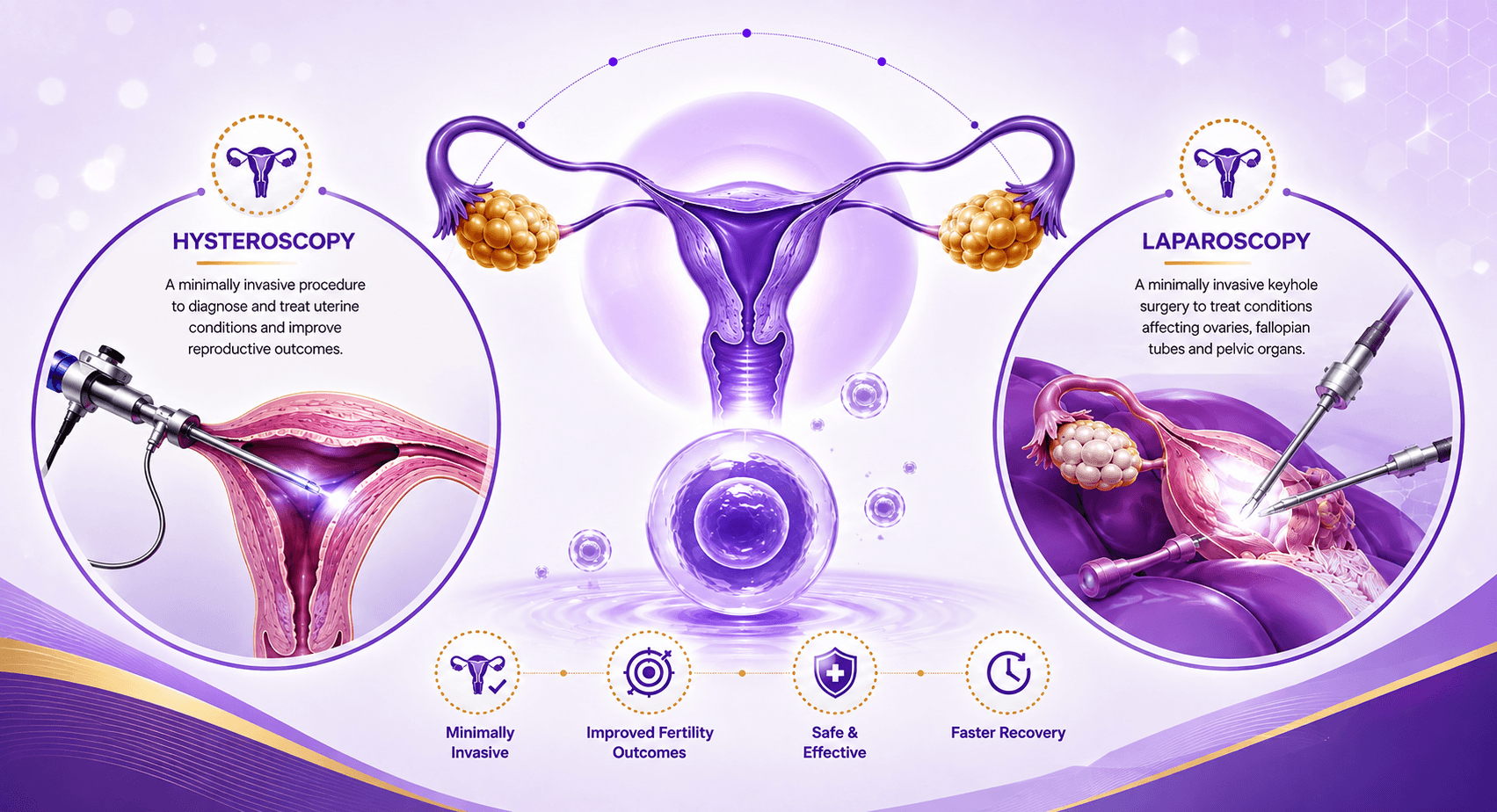
Sometimes, the body simply needs a gentle structural correction to open the doors to conception. When physical barriers or anatomical challenges stand in the way of your dream, fertility enhancing surgeries offer a transformative path forward. At Sequel IVF, we look at these specialized procedures not merely as medical interventions, but as a restorative process—carefully preparing your body to become a warm, welcoming home for your future child.
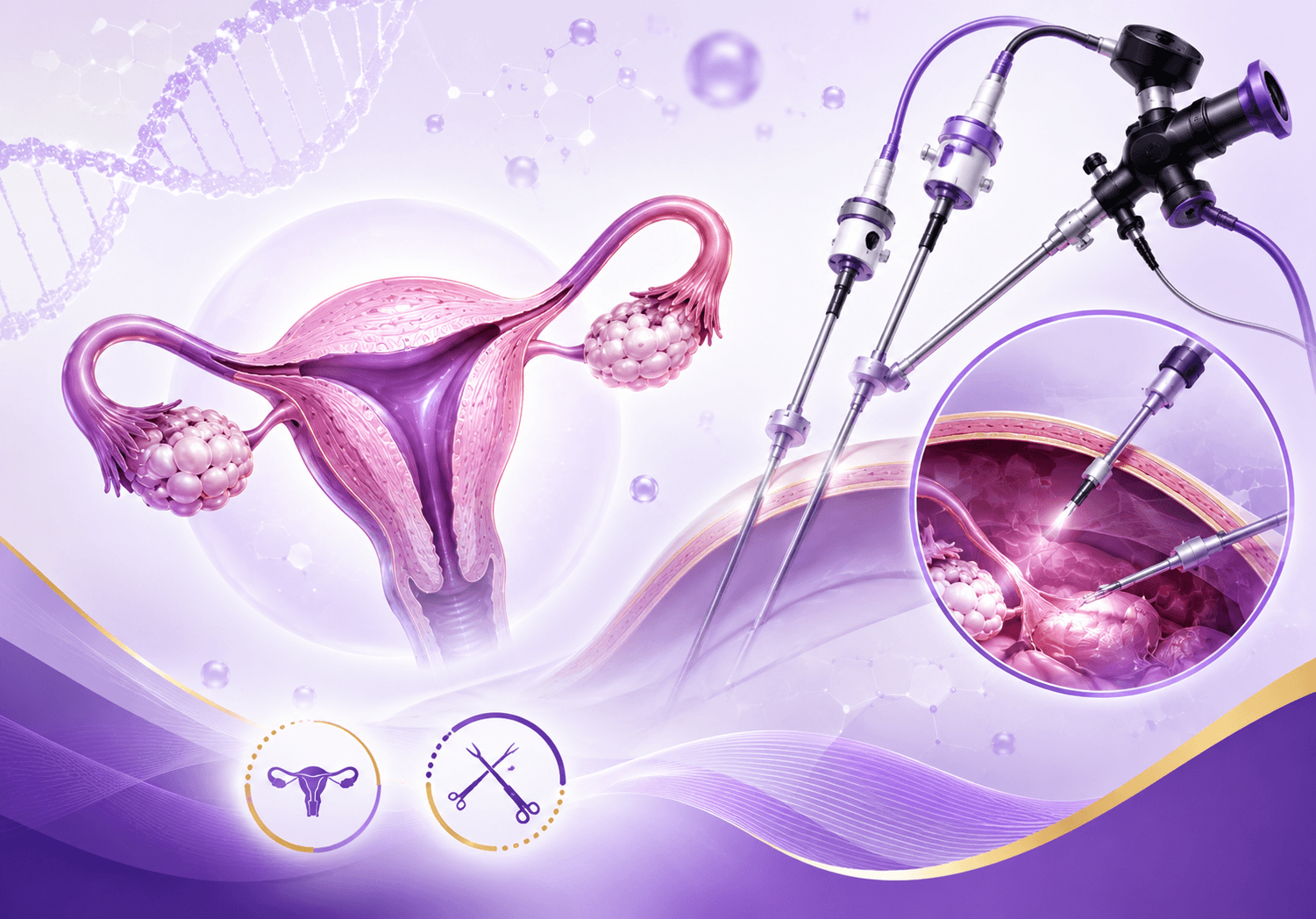
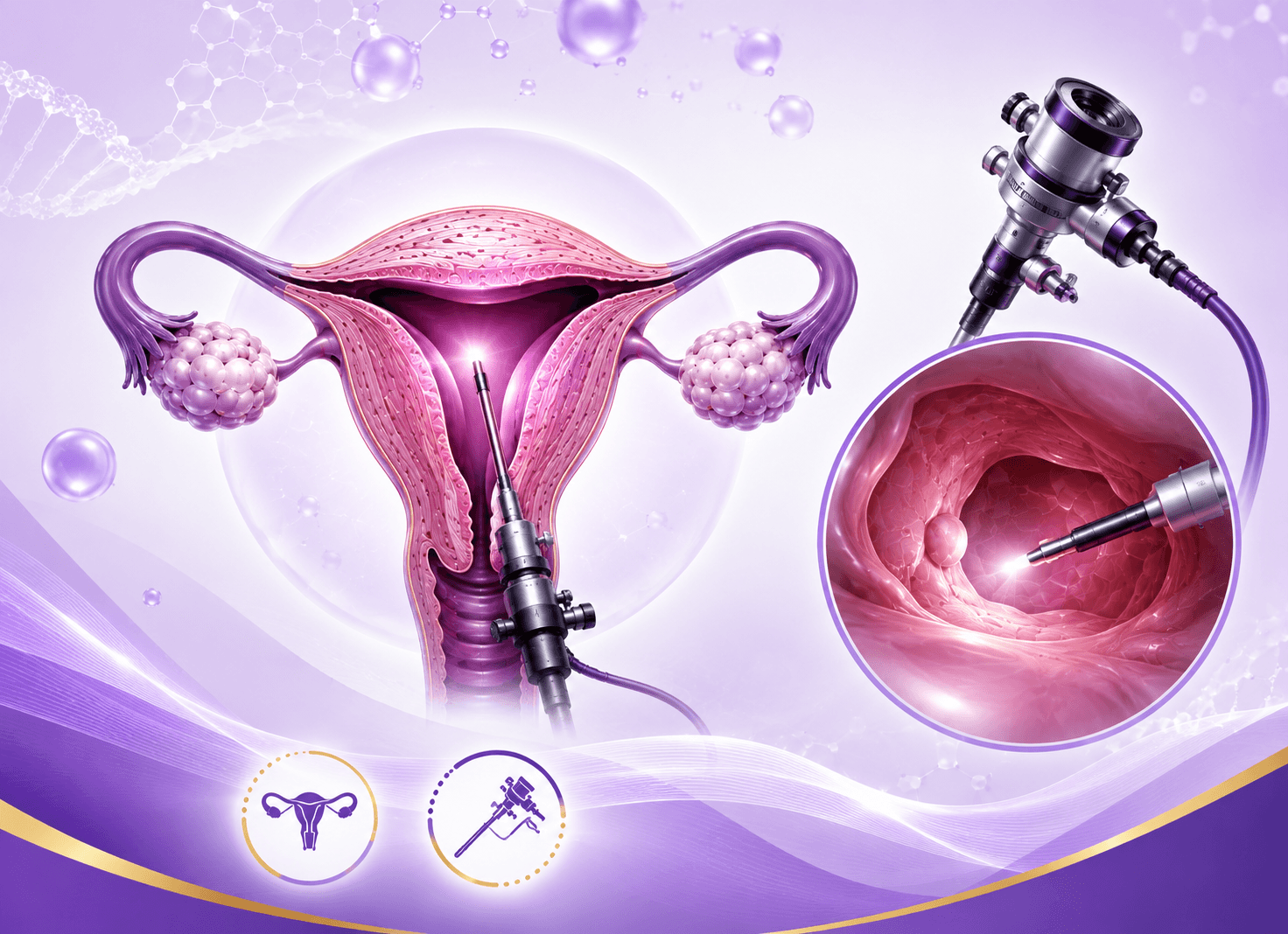
Utilizing advanced, minimally invasive techniques like laparoscopy and hysteroscopy, our skilled surgical team can precisely diagnose and treat conditions such as uterine fibroids, polyps, ovarian cysts, or blocked fallopian tubes. Because these procedures are performed through tiny incisions or natural pathways, they offer a gentler experience for your body, ensuring minimal discomfort, absolute precision, and a much faster recovery time.
By gently removing the physical hurdles that have delayed your journey, we restore your reproductive health to its natural, optimal balance. We handle the structural precision with elite surgical care, clearing a beautiful, unobstructed path so that nature and science can seamlessly work together to bring your miracle to life.