




Female Infertility

  • Home
  • Female Infertility

Female Infertility: Understanding the Possible Causes

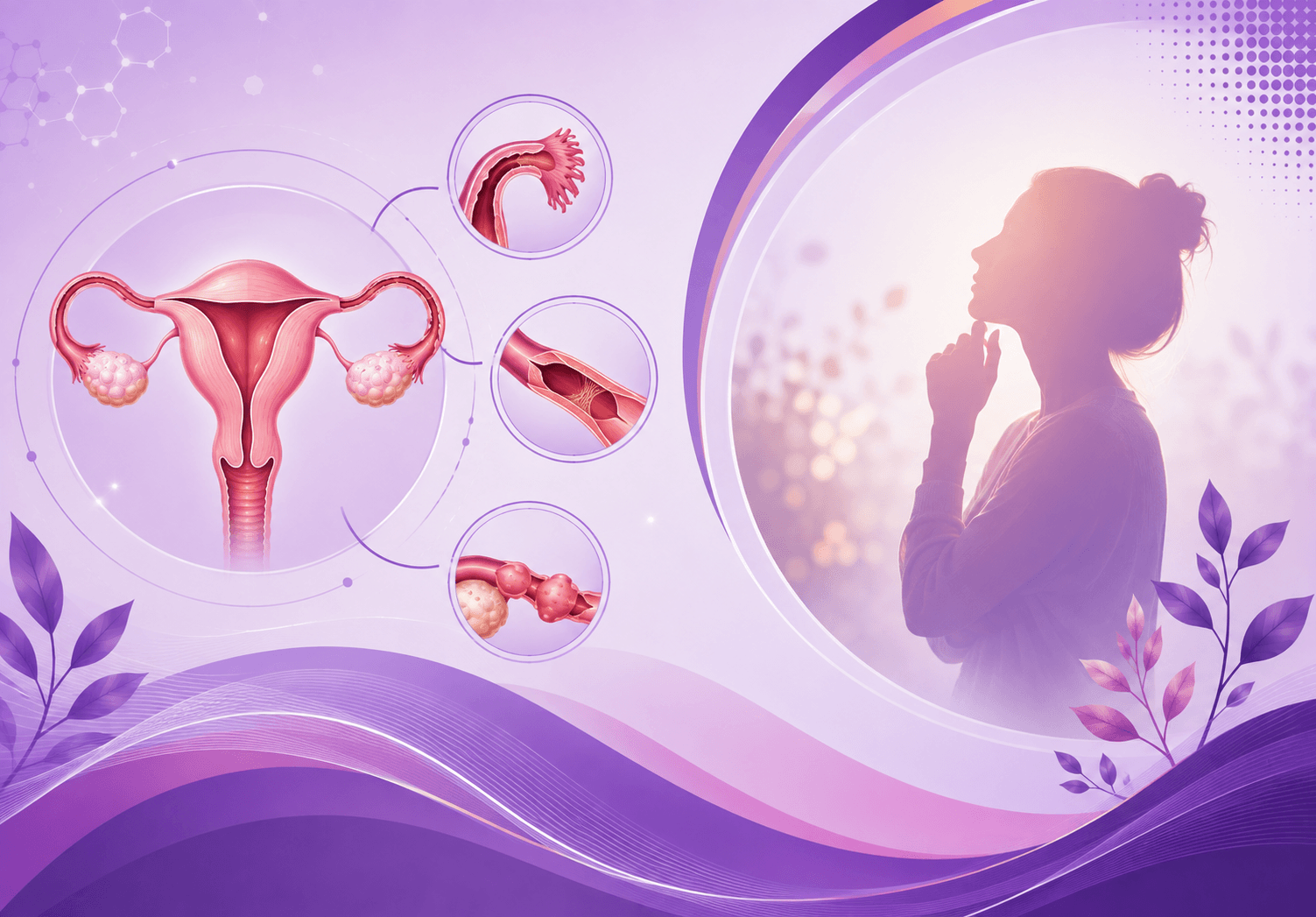
Infertility can affect either partner, both partners together, or sometimes no specific cause can be identified despite appropriate evaluation. The ability to conceive depends on several steps working together: healthy ovulation and eggs, open fallopian tubes, a healthy uterus, adequate sperm production and movement, and successful fertilization and implantation.

A fertility evaluation therefore looks at both partners, rather than assuming that infertility is caused only by the woman or only by the man. The book emphasizes that fertility is the result of an interaction between both partners, and a couple may have more than one contributing factor.

Female Infertility Factors

Female infertility can result from problems involving ovulation, ovarian reserve, fallopian tubes, the uterus, endometriosis, hormonal function, or age-related changes.

1. Ovulatory Disorders

Ovulatory disorders occur when an egg is not released regularly or ovulation does not occur. Because ovulation is essential for natural conception, irregular or absent periods can be an important sign of an ovulatory problem. The book identifies ovulatory infertility as one of the most common causes of female-factor infertility.

Polycystic Ovary Syndrome (PCOS)

PCOS is one of the most common causes of irregular or absent ovulation. Women with PCOS may have infrequent periods, features of increased androgen activity such as excess facial or body hair, acne, or other signs of hormonal imbalance.

Thyroid Disorders

The thyroid plays an important role in reproductive hormone regulation. Thyroid dysfunction can interfere with normal menstrual cycles and ovulation and may therefore contribute to difficulty conceiving. Thyroid-stimulating hormone (TSH) testing may be used when evaluating ovulatory problems.

Hyperprolactinemia

Increased prolactin levels can interfere with the normal hormonal signals required for ovulation. Hyperprolactinemia may lead to irregular or absent periods and can be associated with difficulty conceiving.

Hypothalamic or Pituitary Disorders

The hypothalamus and pituitary gland coordinate the hormonal signals that stimulate the ovaries. Disturbances in this system can result in low levels of reproductive hormones and failure of ovulation.

This may occur in association with significant weight loss, restrictive eating, excessive physical activity, or other hypothalamic or pituitary conditions.

2. Diminished Ovarian Reserve

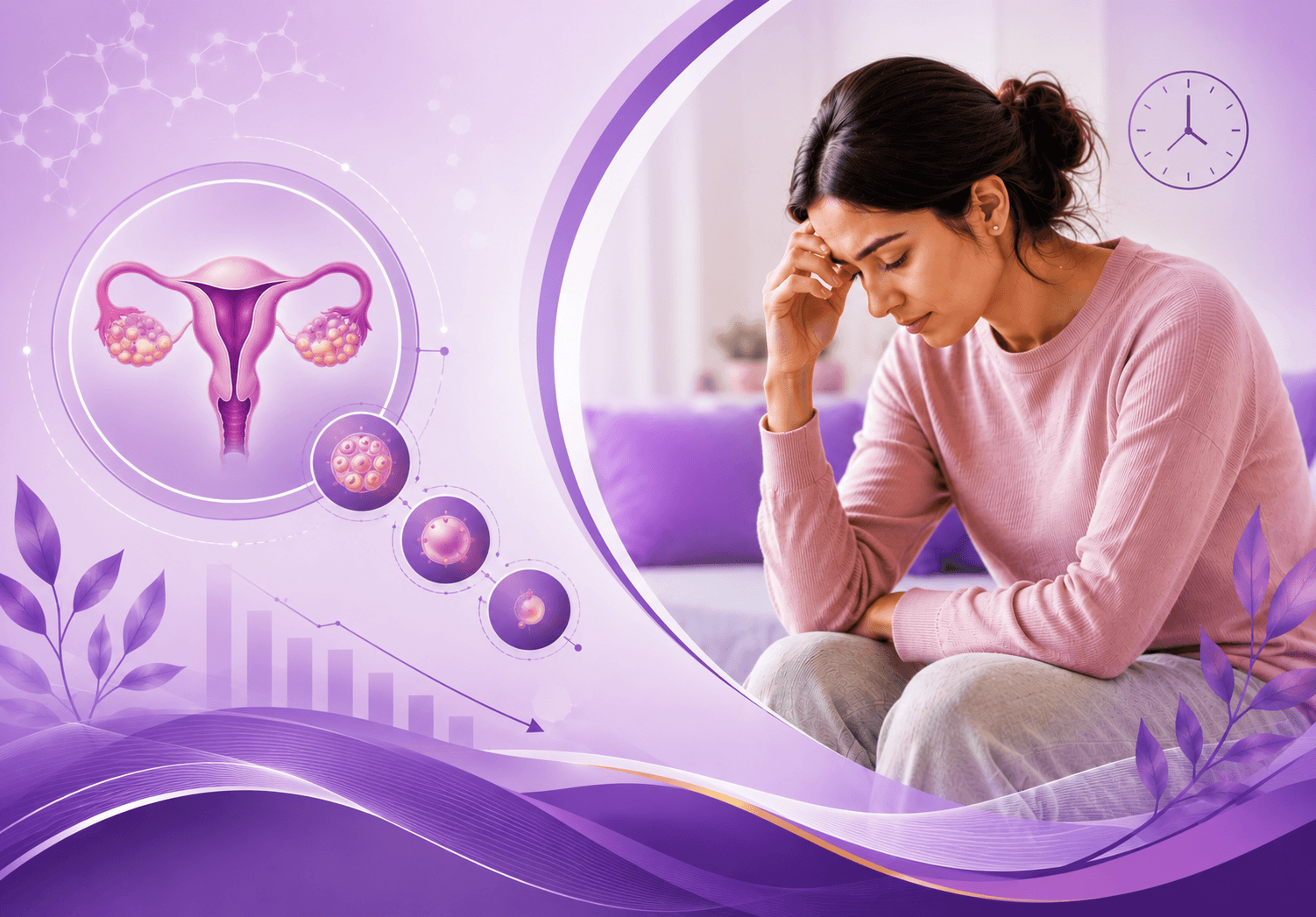
Ovarian reserve refers broadly to the remaining supply of eggs within the ovaries. As women age, the number of available follicles gradually decreases, and reproductive potential declines.

Diminished ovarian reserve may also be encountered in women with a history of ovarian surgery, a single ovary, or a previous poor response to fertility medications. Tests such as AMH, antral follicle count (AFC), and FSH may be used as part of the assessment.

It is important to understand that ovarian reserve tests mainly provide information about the quantity of eggs and expected ovarian response to stimulation. They do not, by themselves, determine whether a woman can or cannot become pregnant. Female age remains an important predictor of reproductive potential.

3. Age-Related Fertility Decline

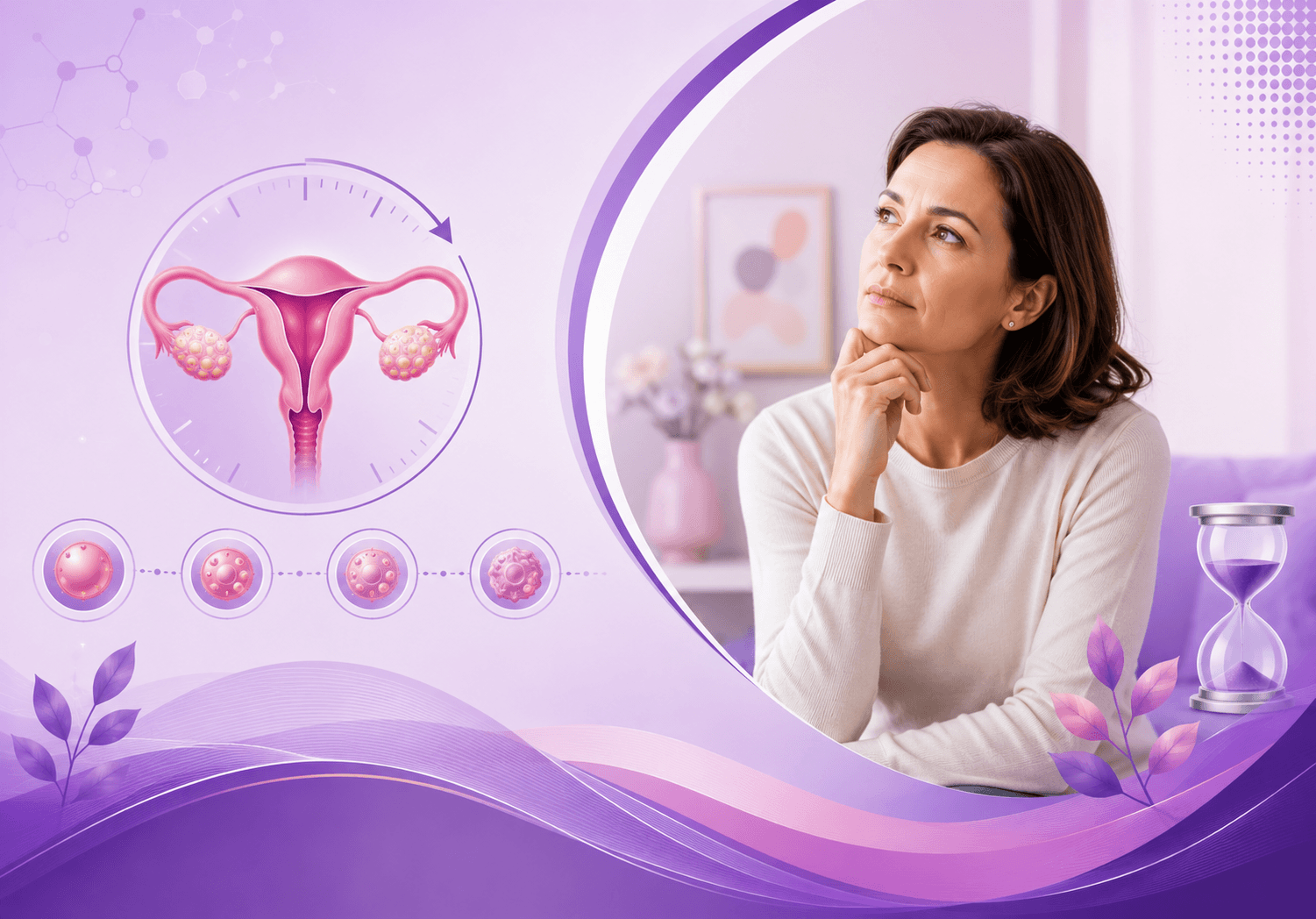
Female fertility gradually declines with increasing age. This is related not only to a reduction in the number of available eggs but also to changes in egg quality.

The decline in fertility may begin before menstrual cycles become noticeably irregular. With advancing reproductive age, the likelihood of conception decreases and the risk of miscarriage increases.

This is why age is an important consideration when deciding how quickly a fertility evaluation should be undertaken.

4. Fallopian Tube Problems

Fallopian tubes provide the pathway through which sperm and egg normally meet and through which the early embryo travels toward the uterus. If the tubes are blocked or damaged, natural conception can become difficult or impossible.

Tubal-factor infertility may result from:

A fertility evaluation may assess whether the fallopian tubes are open using investigations such as HSG(Hysterosalpingo-Contrast Sonography) or in selected cases, laparoscopy.

5. Endometriosis

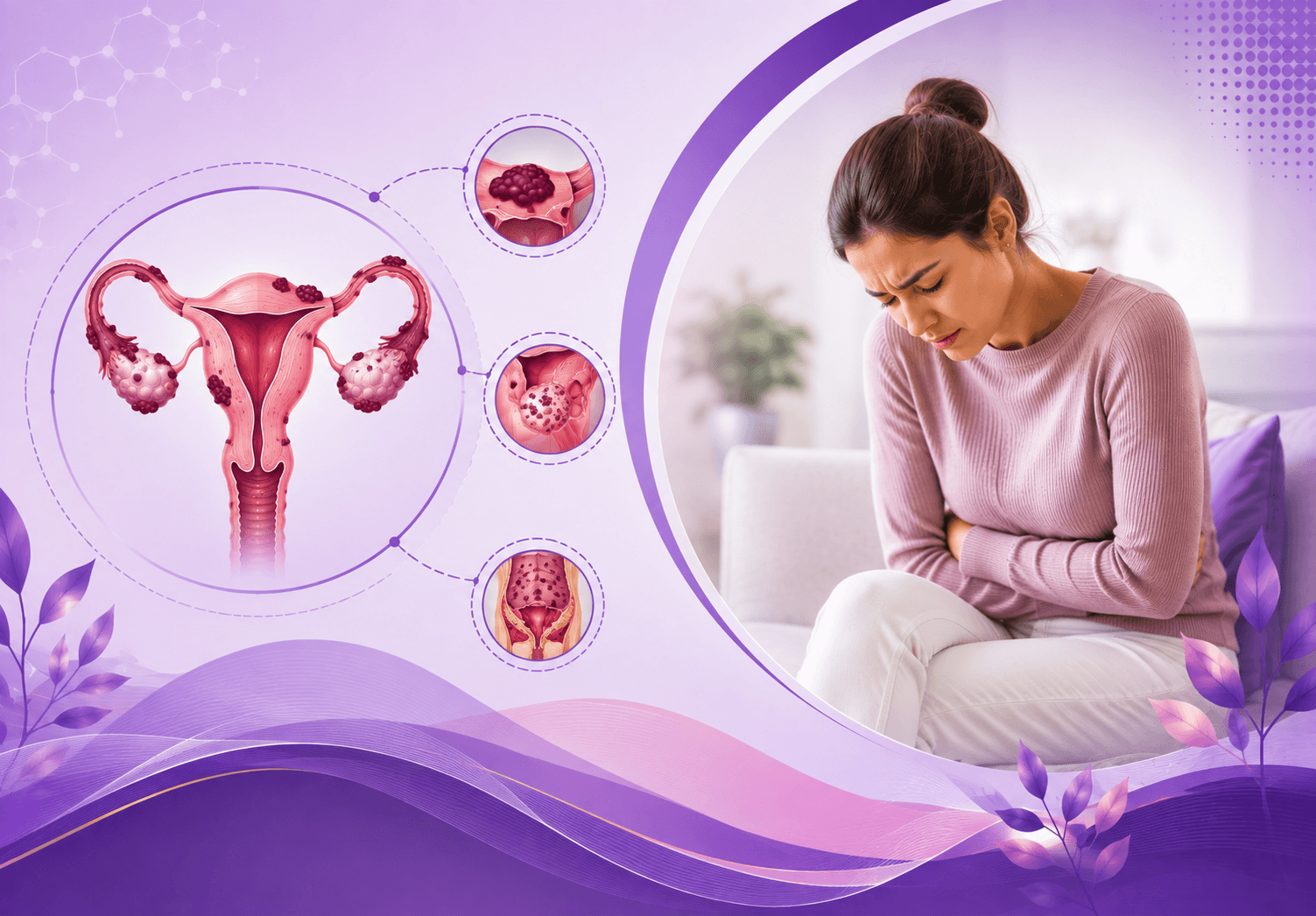
Endometriosis occurs when tissue resembling the lining of the uterus develops outside the uterine cavity. It may involve the ovaries, pelvic lining, fallopian tubes, or other pelvic structures.

Endometriosis may affect fertility through pelvic inflammation, adhesions, distortion of pelvic anatomy, ovarian involvement, and other changes within the reproductive environment.

Common symptoms include:

However, some women with endometriosis may have few or no symptoms.

6. Uterine Factors

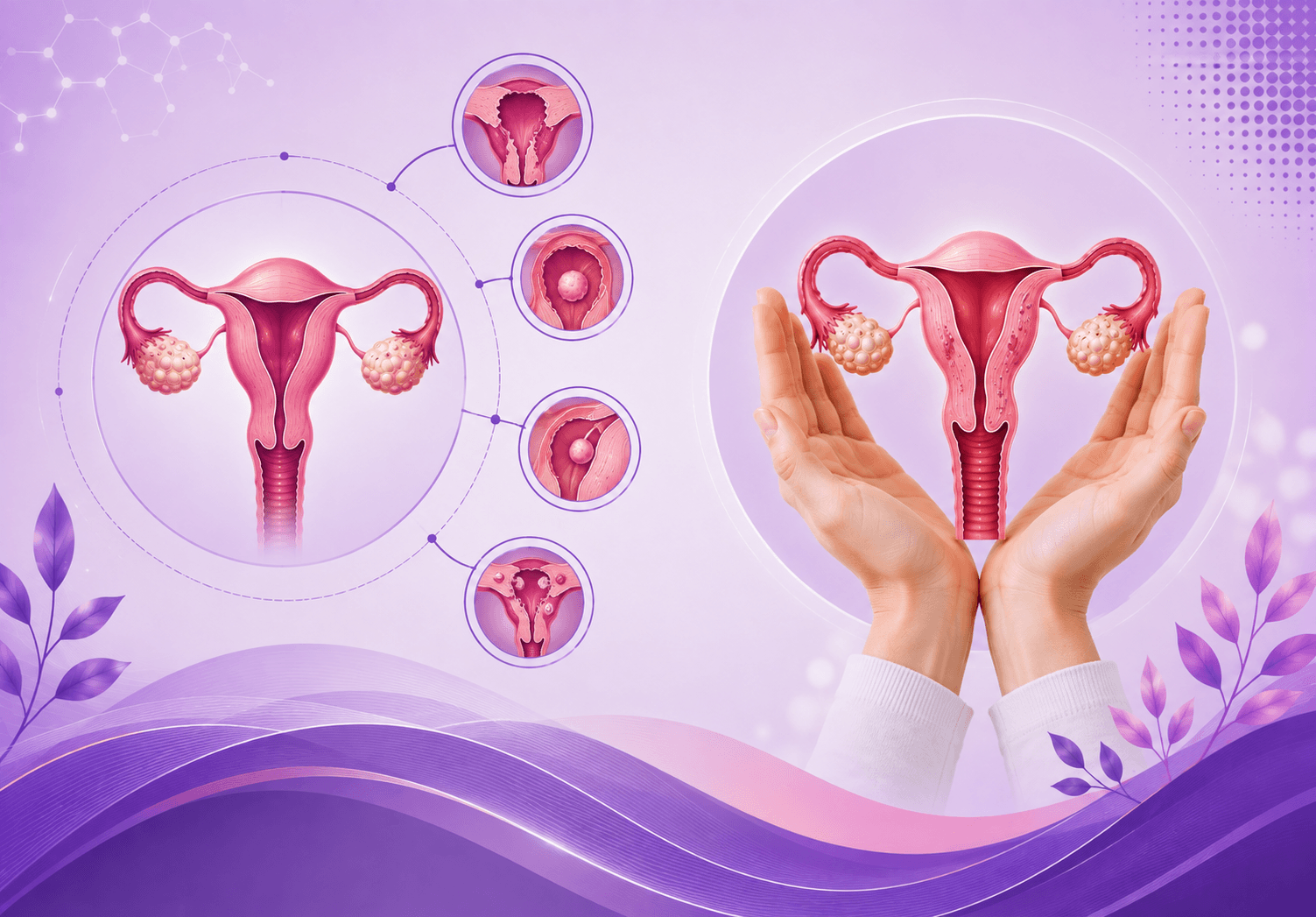
The uterus provides the environment in which an embryo implants and the baby develops. Problems involving the uterine cavity or uterine muscle may therefore affect fertility or the ability to sustain a pregnancy.

Uterine abnormalities may be:

Congenital

Congenital

The uterine abnormalities can affect either the ability to conceive or the ability to maintain a pregnancy.

Fibroids

Fibroids are benign growths arising from the muscular layer of the uterus. Their effect on fertility depends on their size and location. Fibroids that project into or distort the uterine cavity are more clearly associated with impaired reproductive outcomes.

Endometrial Polyps

Endometrial polyps are growths arising from the lining of the uterus. Depending on their size and location, they may interfere with the normal uterine environment and reproductive outcomes.

Intrauterine Adhesions

Scar tissue within the uterine cavity can develop after certain uterine procedures or other conditions. These adhesions can interfere with the normal uterine cavity and may adversely affect reproductive outcomes.

Adenomyosis

Adenomyosis occurs when endometrial-type tissue is present within the muscular wall of the uterus. It may be associated with painful periods, heavy menstrual bleeding, pelvic pain, or abnormal uterine bleeding.

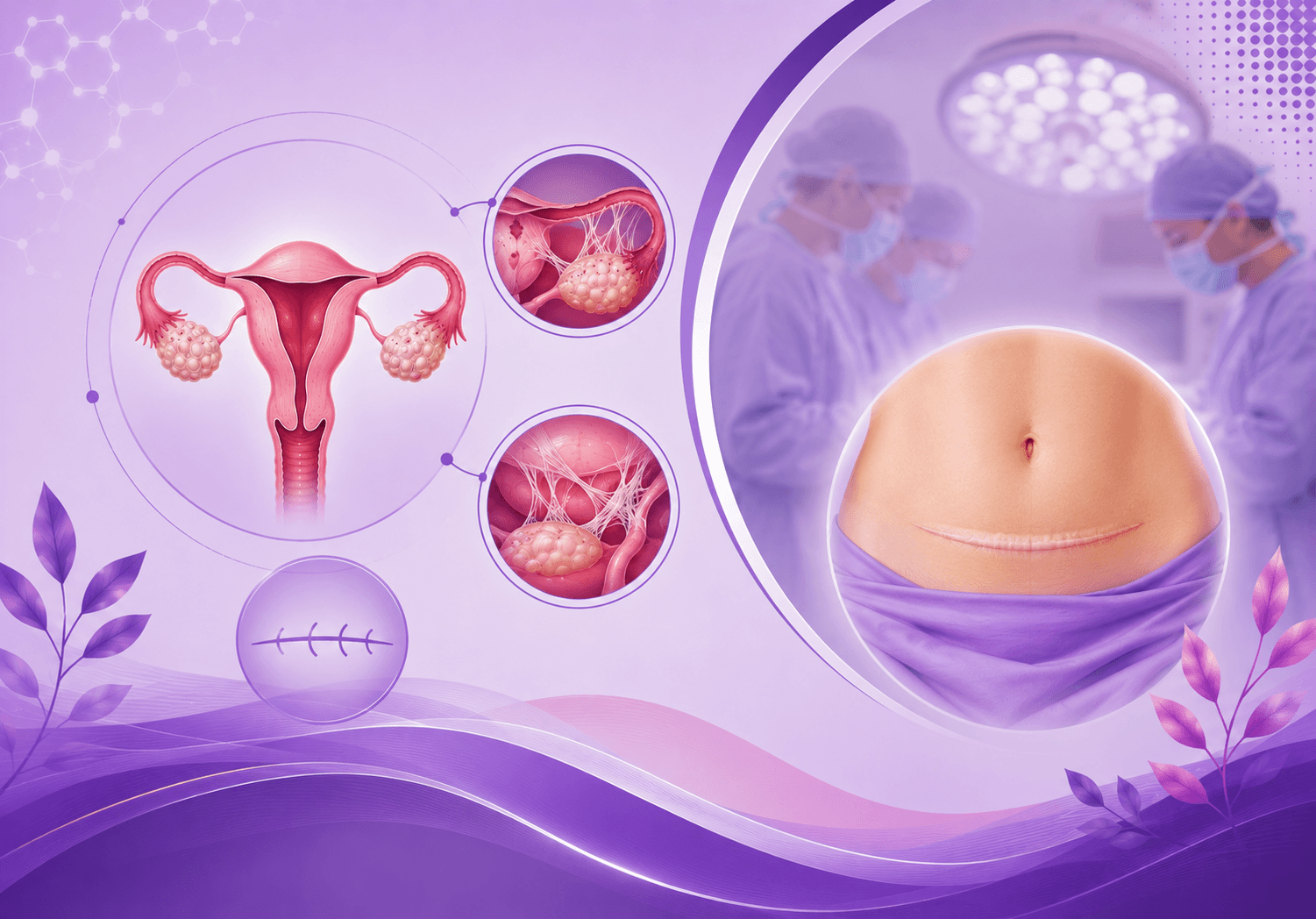
7. Pelvic Adhesions and Previous Surgery

The uterus provides the environment in which an embryo implants and the baby develops. Problems involving the uterine cavity or uterine muscle may therefore affect fertility or the ability to sustain a pregnancy.

8. Lifestyle and General Health Factors

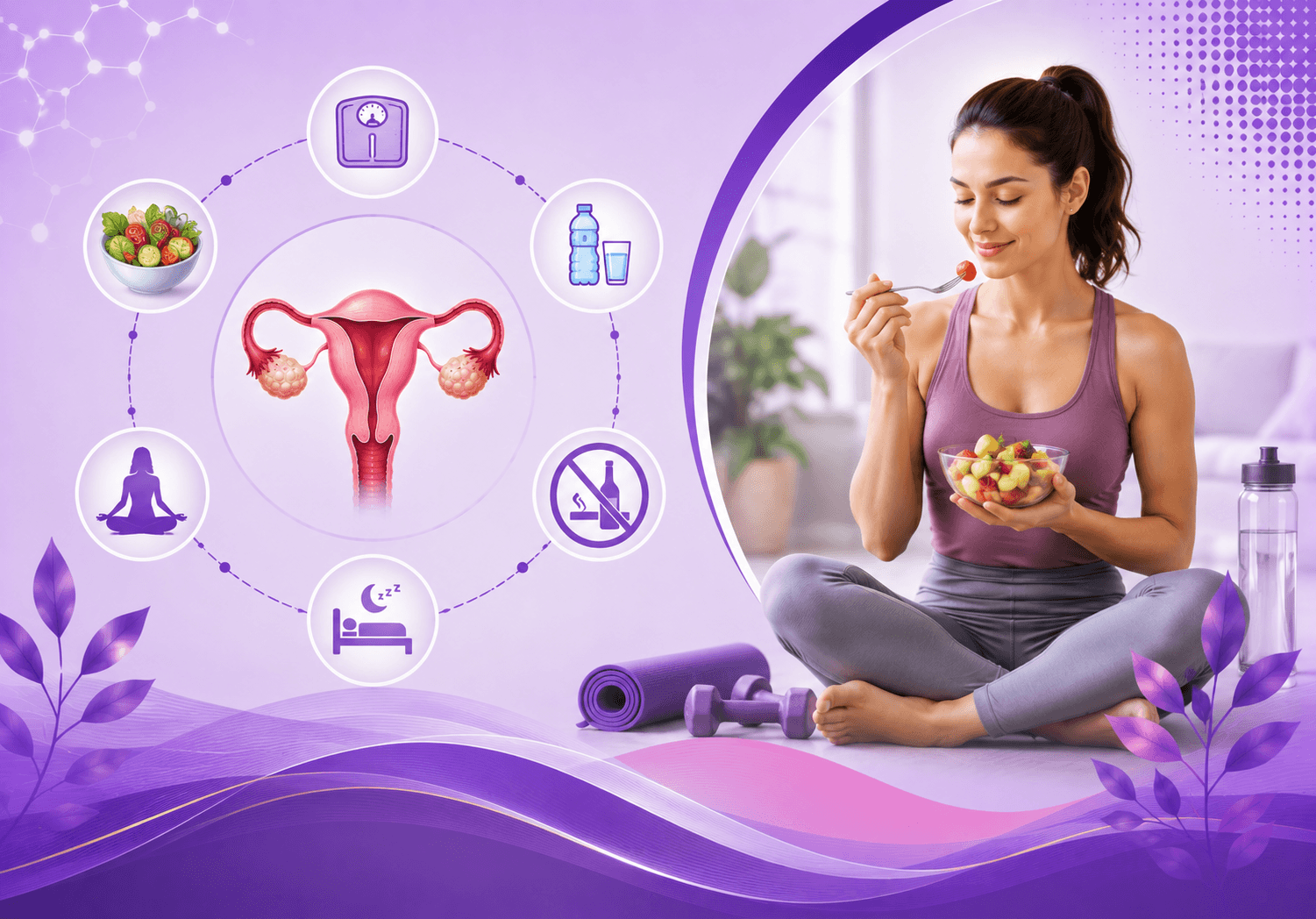
Fertility can also be influenced by general health and lifestyle. Various factors like body weight, smoking, caffeine and alcohol consumption may influence reproductive outcomes.

Both very low and high body weight have been associated with reduced fecundability. Smoking is associated with poorer reproductive outcomes, while heavy caffeine consumption has been associated with subfertility in some studies.

online
online-phone

Telephone Counseling

We are companions, listen to you share, clarify your problems with you, elicit feasible solutions, helping you to solve your own problems. The service is built and developed by a team of experienced psychologists who are always listening and ready to solve all your problems.

Call Us:  +91-9665 279 369

Chat Online With A Consultant

Psychological counseling through chat is a popular form of psychological counseling in modern society, as psychological support services are growing and each of us in the present society also pays a lot of attention to psychological problems. In this article we share some of the benefits.

online

Consultation Via Video Calling

With the Video call consulting service package, you can own a consulting package with your own expert anytime, anywhere (even if your psychologist is on a business trip), with This utility makes it completely convenient for you to chat online with your psychologist.

Our Case Studies

Typical Story

Here are some typical stories that we have helped them
FAQs

Popular Question

We have answers to common questions people ask

Most healthy couples conceive within one year of regular, unprotected intercourse. If you are below 35 years of age, it is advisable to seek a fertility evaluation after one year of trying. If you are 35 years or older, or if you have irregular periods, endometriosis, or other known fertility concerns, you should consult a fertility specialist after six months.

Stress alone is not usually a direct cause of infertility, but long-term stress can affect hormone levels, ovulation, sexual health, and overall well-being. Managing stress through a healthy lifestyle, adequate sleep, and emotional support can improve your overall reproductive health while you undergo fertility treatment.

Not necessarily. Irregular periods often indicate irregular ovulation, which can make it more difficult to conceive, but many women with irregular cycles achieve pregnancy with the right diagnosis and treatment. Identifying the underlying cause is the first step toward choosing the most appropriate fertility treatment.

The initial fertility evaluation usually includes a detailed medical history, pelvic ultrasound, hormone tests such as AMH, a semen analysis for the male partner, and additional investigations if required. These tests help your fertility specialist understand the cause of infertility and recommend the most suitable treatment plan.


A "test tube baby" is a common term for a baby conceived through In Vitro Fertilization (IVF). In IVF, the egg and sperm are fertilized in a specialized laboratory, and the resulting embryo is transferred into the uterus. The pregnancy and baby's development are the same as in a naturally conceived pregnancy.

Most patients find IVF much easier than they expected. The daily hormone injections are given with very fine needles and cause minimal discomfort. Egg retrieval is performed under short anesthesia or sedation, so you do not feel pain during the procedure. Mild bloating or cramping may occur afterward but usually settles within a few days.

Embryo grading is a method used by embryologists to assess the appearance and development of embryos under the microscope. It helps identify embryos with the best potential for implantation. While embryo grading is an important tool, it cannot guarantee pregnancy, as many other factors also influence success.

Yes. Many couples conceive naturally even after facing delays. Others may benefit from treatments such as ovulation induction, timed intercourse, IUI, IVF, or ICSI depending on the underlying cause of infertility. A fertility evaluation helps determine the best approach for your individual situation.

Ovarian reserve refers to the number of eggs remaining in a woman's ovaries. It naturally declines with age and can be assessed using tests such as AMH and an Antral Follicle Count (AFC) on ultrasound. Understanding ovarian reserve helps doctors plan the most appropriate fertility treatment.

AMH (Anti-Müllerian Hormone) is a blood test that estimates ovarian reserve. A low AMH level suggests fewer remaining eggs but does not necessarily mean you cannot become pregnant. Your fertility specialist will interpret your AMH along with your age, ultrasound findings, and overall fertility evaluation.

AMH (Anti-Müllerian Hormone) is a blood test that estimates ovarian reserve. A low AMH level suggests fewer remaining eggs but does not necessarily mean you cannot become pregnant. Your fertility specialist will interpret your AMH along with your age, ultrasound findings, and overall fertility evaluation.

WhatsApp