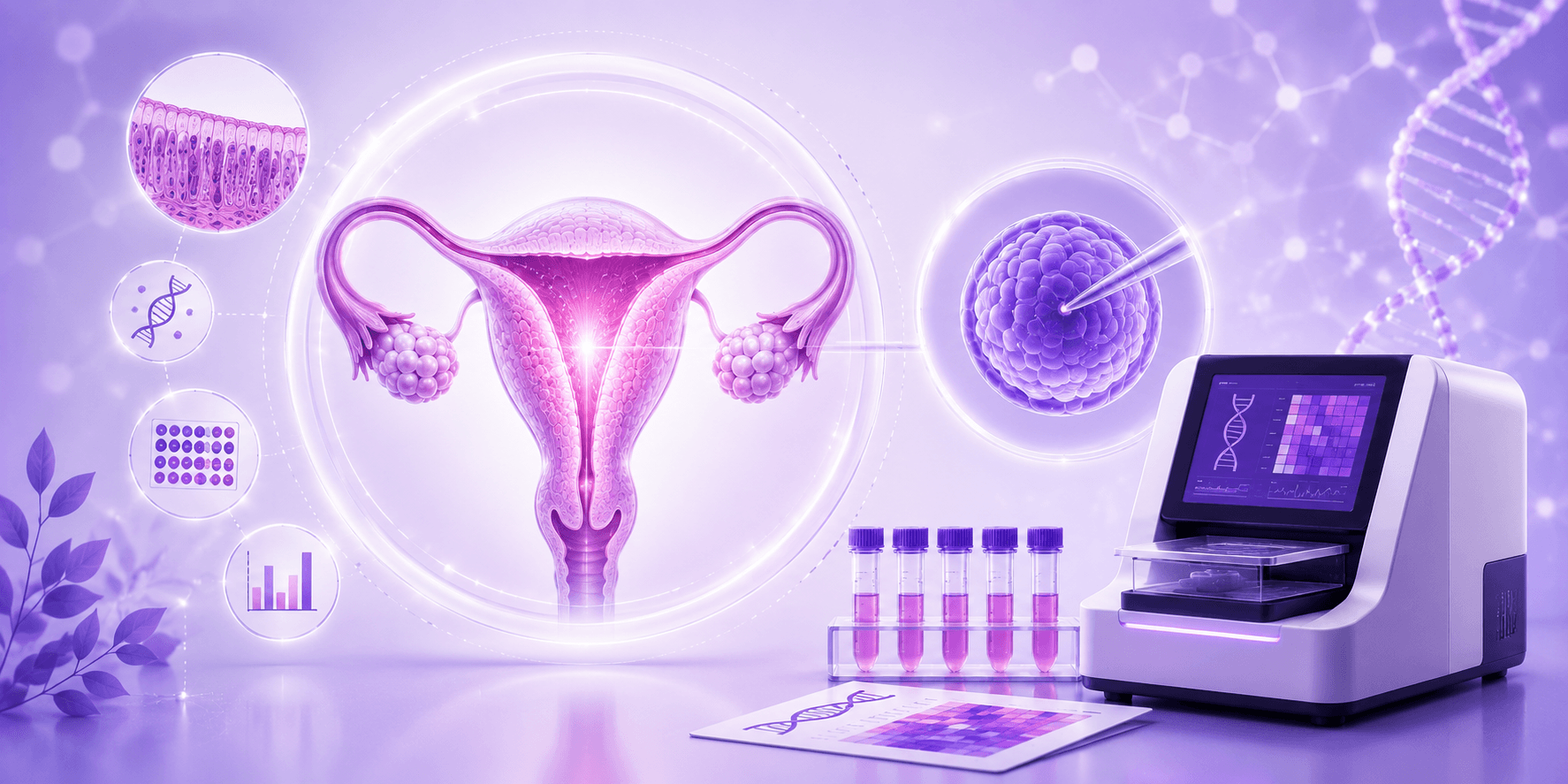
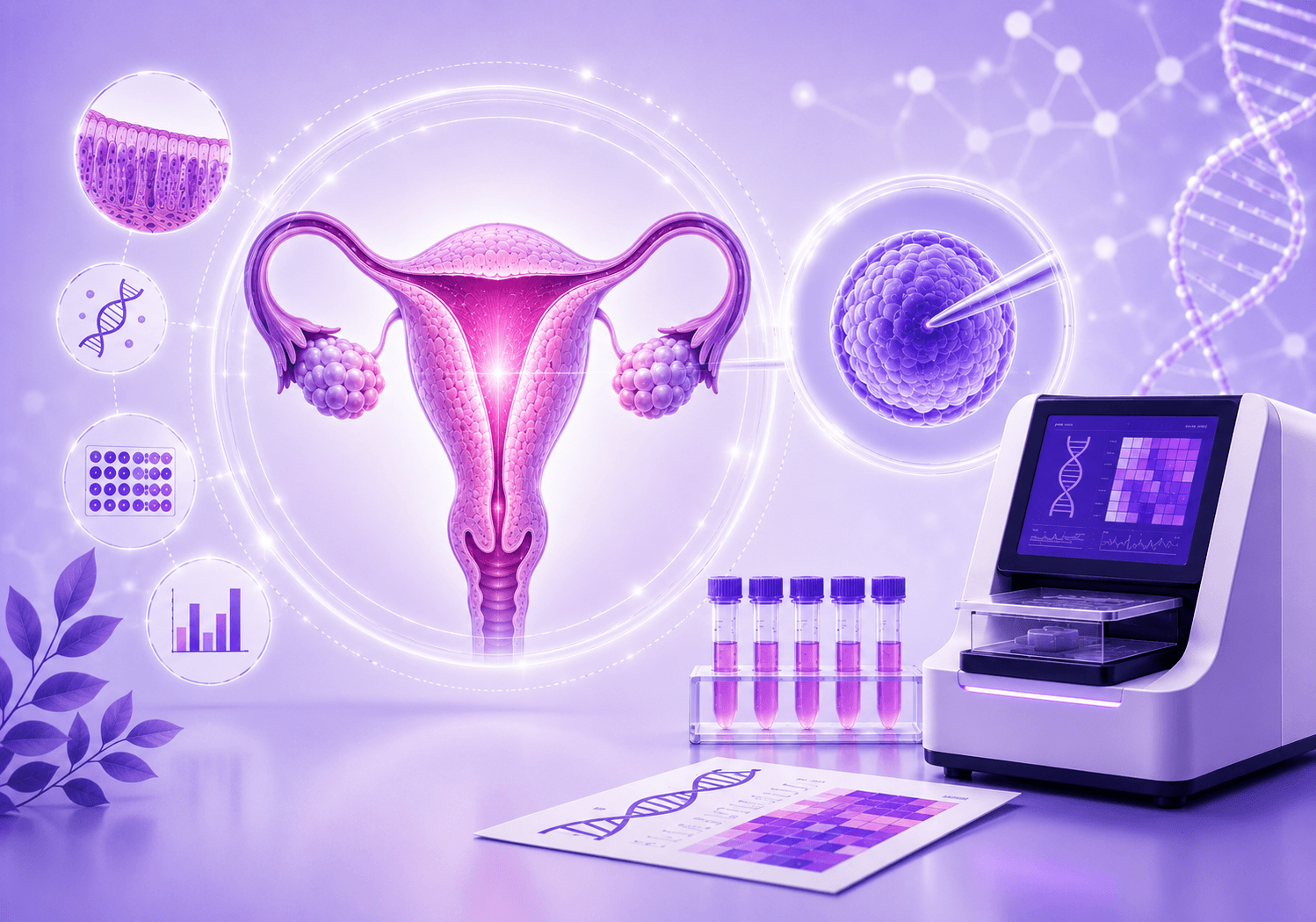
A successful pregnancy requires a beautifully synchronized dialogue between a healthy embryo and a receptive uterine lining. For most women, the optimal time for an embryo to attach occurs during a specific timeframe known as the “window of implantation.” However, for some women—especially those who have experienced unexplained IVF hurdles—this window may be uniquely shifted, arriving slightly earlier or later than expected.
The Endometrial Receptivity Assay (ERA) is a highly specialized genetic test that evaluates the lining of the uterus at a molecular level. By analyzing the expression of specific genes within the endometrial tissue, ERA allows our specialists to pinpoint your exact, personalized window of implantation. This ensures that when your precious embryo is transferred, it is placed into a perfectly prepared, welcoming environment, replacing uncertainty with scientifically guided precision.
Couples counselling isn’t just helpful when things are falling apart. It can be helpful at many other times as well. Sometimes it is helpful when you are taking a new step forward (or backwards) such as moving in together, getting married, having children. Or even when you first start dating someone. Couples counselling helps if you want to do a check in or just make sure you are still in the best possible place you can be at. It helps if you want to deepen and become closer to your partner or make an already great relationship even better with a few modest adjustments. When you are wanting to end a relationship a therapist can help, especially when children are involved.
Women with a history of recurrent implantation failure during previous IVF cycles.
Patients who have transferred high-quality or genetically tested (PGT-A) embryos without achieving pregnancy.
Couples seeking to maximize the success rate of a single, highly valued embryo transfer
To discover a patient’s unique and personalized window of implantation.
To prevent the heartbreak of losing healthy embryos due to timing mismatches.
To significantly improve the chances of successful embryo attachment and clinical pregnancy in appropriately selected patients.